


 >
>


Allurion Weight Loss Program
Welcome to the Allurion Program, a six-month treatment package.
Welcome to the Allurion Program, a six-month treatment package in three phases designed to support you in making lifestyle changes to lose weight and adopt healthier habits.
Allurion Weight Loss Program Step by Step
Welcome to the Allurion Program, a six-month treatment package in three phases designed to support you in making lifestyle changes to lose weight and adopt healthier habits.

Step 1
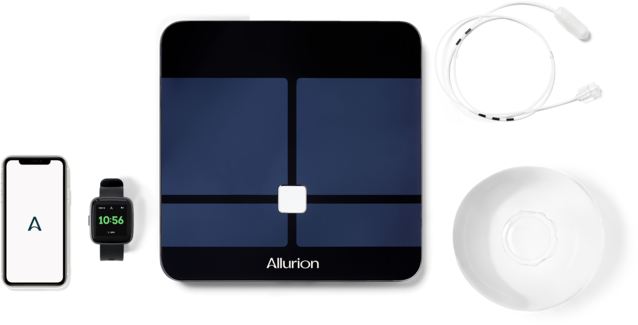
This program includes the use of the Allurion Elipse Gastric Balloon, a tool designed to 'keep you away from the feeling of hunger' so that you can create new structures and routines in your eating habits and lifestyle.
Step 2
With this nutrition guide, your clinical team will help you identify which aspects of your lifestyle you would like to change and support you to implement these changes.
Step 3
Your team will work with you on the new coping strategies you will need to live your new, healthier lifestyle once the balloon is removed from your body.
Step 4
This care and support program, together with the Allurion Elipse Gastric Balloon, is of great importance for you to achieve your long-term goals.
Stage 1
Period from 30 days before the application to the day of application
Period from 30 days before the application to the day of application
The weeks before treatment are a great time to make changes to your eating habits to make sure you are ready to use the balloon. These changes include starting to eat more consciously:
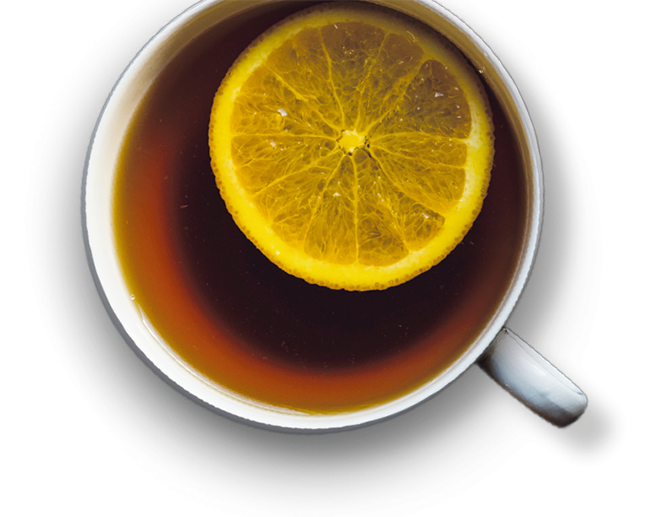

Preparing for Your Allurion Elipse Gastric Balloon
Plan your eating times in advance, as well as making planned meal and snack choices. Try eating sitting down and focusing on your meal. Eat your meals slowly and thoroughly. Separate your food and drink by taking small sips only before and after your meal. Stop eating as soon as you start feeling full.
Download Allurion App
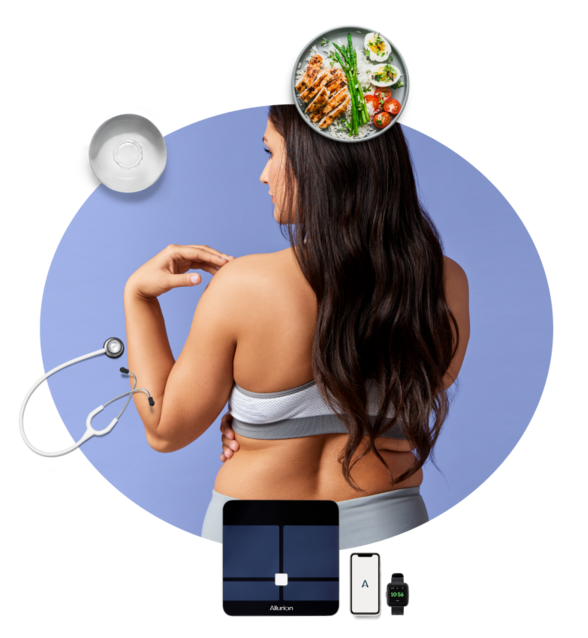
If you have a smartphone, download our mobile application, Allurion Mobile App. This app will sync with the Allurion Smart Scale and Allurion Smart Watch you will be given at the clinic to track your progress.
Taking Necessary Medications
Under your doctor's guidance, start taking your antacid medications two weeks before the application date and take the anti-nausea medication prescribed by your clinic (usually the night before and the morning of the application). These medications will be given to you by your clinic.
Regulation of Fluid Intake
In the 24-48 hours before the balloon is placed in your body, make sure you drink plenty of fluids by increasing your overall fluid intake, aiming to consume at least 2 liters of fluid spread throughout the day.
Application Time
You will need to limit your fluid intake to clear liquids only for approximately 10 to 12 hours before application. You will be asked to stop fluid intake 2 hours before the application.
Application Day
Practice Morning
It is very important that you do not eat anything on the morning of the application, but you can continue to drink water. You can also drink tea with a teaspoon or two of honey added. Drink plenty of fluids approximately 2 hours before application. Do not wear a necklace or apply lipstick or lip balm on the day of application as the necklace may affect imaging and the lipstick may stick to the capsule.

Swallowing the Balloon
You will be asked to swallow your balloon capsule, which is connected to a thin tube, with a glass of water, and your doctor will use x-rays to check the position of the balloon before filling it with water. Even if you cannot swallow the balloon, your doctor can help you by using the thin wire inside the tube. In this way, almost all patients can swallow the capsule.

Checking the Balloon
Once the balloon is in place and filled with water, your doctor will use an x-ray to confirm that the balloon is completely filled in your stomach. Then, you should measure your first weight on Allurion's smart scale and share it with your dietitian via e-mail using the sharing feature in the application.
Make an Appointment Now
Stage 2
From the first week to the third month
time until
From the first week to the third month
time until
During the first week, you will gradually increase the consistency of the foods by following the 4 steps below.
Stage 1 – Clear liquids only (day 1)
Drink only clear liquids for the first 24 hours, when your nausea will be at its highest. You may also feel stomach cramps. Good options include water (non-carbonated), fruit juice, hot broth/consomme, herbal and decaffeinated tea, non-carbonated isotonic sports drinks, and coconut water.
Avoid consuming milk and caffeine on the first day.
Start small and increase. Even if you can only drink a single tablespoon at a time, be sure to take small sips every few minutes. It is important that you continue to increase it sip by sip.
If you are vomiting, try rehydration solutions and/or isotonic sports drinks. These products can help your body retain fluids as well as restore your electrolytes and blood sugar.
If you're experiencing stomach cramps, try room temperature or slightly warm liquids.
Especially if the weather is hot or you live in a hot climate area, try to slowly drink 2 liters of liquid every day, if possible, for the first week. This can sometimes take longer than a week.
Avoid consuming milk and caffeine on the first day.
Start small and increase. Even if you can only drink a single tablespoon at a time, be sure to take small sips every few minutes. It is important that you continue to increase it sip by sip.
If you are vomiting, try rehydration solutions and/or isotonic sports drinks. These products can help your body retain fluids as well as restore your electrolytes and blood sugar.
If you're experiencing stomach cramps, try room temperature or slightly warm liquids.
Especially if the weather is hot or you live in a hot climate area, try to slowly drink 2 liters of liquid every day, if possible, for the first week. This can sometimes take longer than a week.
Stage 2 – Smooth puree diet (days 2-3)
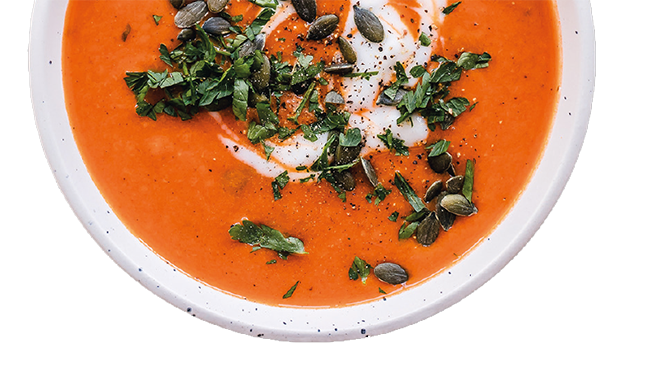
If the nausea and vomiting has subsided after the first day, you can slowly start taking thicker liquids such as frappes, soup and yoghurt. Make sure they are relatively soft and liquid at first. If you can tolerate it, increase gradually. If your symptoms worsen due to a change in the consistency of foods, switch back to clear liquids for 24 hours to allow your symptoms to ease, and then try again.
2-3. Days Sample Meal Plan
01
BREAKFAST
125 ml (1/2 cup) milk or protein drink
02
MID-DAY
125 ml (1/2 cup) plain yoghurt/high protein yoghurt (fat-free Turkish yoghurt)
03
LUNCH
2 tablespoons of chicken / red meat / fish blended or 2 tablespoons vegetable puree or high protein soup blended
04
AFTERNOON
1⁄2 cup homogenized yogurt or high-protein yogurt/protein shake
05
EVENING MEAL
2 tablespoons of fish / chicken / red meat, blended + 2 tablespoons of mashed potatoes or lentil soup, blended.
Eat dinner at 19.00 and avoid consuming too much liquid afterwards.
Eat dinner at 19.00 and avoid consuming too much liquid afterwards.
06
OTHER TIPS
Good protein drinks should contain around 15 to 20g of protein, with a maximum of 200 calories and 10g of sugar. You can also buy unflavored protein powder to add to your homemade soups or drinks.
Fat-free dairy products (milk, yoghurt) without fruit particles.
Unsweetened gelatin/jelly and cream (low-fat milk).
Unsweetened herbal tea, green tea, chamomile, anise (you can add skim milk).
Low-fat spreadable cheese or cottage cheese.
Soups (blended in a blender). Vegetables, potatoes, red meat, chicken,
You can add lentils etc.
Low-fat protein drinks (vanilla, chocolate or strawberry).
Oatmeal cooked with skimmed milk.
Fat-free dairy products (milk, yoghurt) without fruit particles.
Unsweetened gelatin/jelly and cream (low-fat milk).
Unsweetened herbal tea, green tea, chamomile, anise (you can add skim milk).
Low-fat spreadable cheese or cottage cheese.
Soups (blended in a blender). Vegetables, potatoes, red meat, chicken,
You can add lentils etc.
Low-fat protein drinks (vanilla, chocolate or strawberry).
Oatmeal cooked with skimmed milk.
Stage 3 – Soft food diet (days 3-5)
If you can tolerate thick liquids and purees, you can start trying soft foods. Remember to keep portion sizes small, take small bites, and chew each bite thoroughly. If you find that soft foods worsen your nausea and vomiting, switch back to liquids for 24 hours before trying them again.
Guidelines:
The soft food diet consists of soft foods that are easy to chew and swallow.
These foods can be chopped, ground, crushed, pureed, and soaked.
Use measuring cups to help keep track of your portion sizes.
Chew your food thoroughly, eat very slowly, and eat when you feel the first sign of fullness.
stop eating or drinking.
Guidelines:
The soft food diet consists of soft foods that are easy to chew and swallow.
These foods can be chopped, ground, crushed, pureed, and soaked.
Use measuring cups to help keep track of your portion sizes.
Chew your food thoroughly, eat very slowly, and eat when you feel the first sign of fullness.
stop eating or drinking.
3-5. Days Sample Meal Plan
01
BREAKFAST
125 ml (1/2 cup) low-fat milk + 15 g low-sugar cereal / porridge / 2 dry biscuits
02
MID-DAY
Fruit puree or natural yoghurt – 125 ml (1/2 cup) or protein shake
03
LUNCH
Scrambled eggs (x1-2) + 2 tablespoons vegetable puree or 1 cup chicken chunk soup or steamed soft white fish or 1 cup baked beans or lentils/pulses
04
AFTERNOON
125 ml (1/2 cup) plain yoghurt and a handful of soft fruit
05
EVENING MEAL
2 tablespoons low-fat cheese + 2 tablespoons mashed potatoes or bolognese and zucchini pasta or mild curry of meat and vegetables
06
OTHER IMPORTANT POINTS
The total amount of fat consumed in a day should not exceed 20 grams. Diets may vary at this stage. Your nutritionist will guide you through this step.
Stage 4 – Return to solid food diet (days 5-7)
Most people, 5-7. Returns to normal solid food meals after the day.
However, for some people, this process may take up to 2 weeks. If you are experiencing only stomach cramps without nausea or vomiting, you can return to a solid or semi-solid food diet a little early, as these are usually hunger pangs that can be relieved by consuming more solid foods.
Once you return to solid foods, try to get into a rhythm of 3 meals a day and let your body and the balloon determine whether you need additional planned snacks. But to maintain a steady sugar level, it is generally recommended to include small, healthy snacks in your diet. The key to maintaining these changes in the long term is to establish a regular routine. Be sure to work with your coaching team to help you find the routine that's right for you.
Other important points: It may help to avoid leafy vegetables for the first month. Make sure you drink enough fluids.
However, for some people, this process may take up to 2 weeks. If you are experiencing only stomach cramps without nausea or vomiting, you can return to a solid or semi-solid food diet a little early, as these are usually hunger pangs that can be relieved by consuming more solid foods.
Once you return to solid foods, try to get into a rhythm of 3 meals a day and let your body and the balloon determine whether you need additional planned snacks. But to maintain a steady sugar level, it is generally recommended to include small, healthy snacks in your diet. The key to maintaining these changes in the long term is to establish a regular routine. Be sure to work with your coaching team to help you find the routine that's right for you.
Other important points: It may help to avoid leafy vegetables for the first month. Make sure you drink enough fluids.
